


- This topic has 2 replies, 1 voice, and was last updated 5 years ago by
.
-
Topic
-
در یک کشور تحت محاصره اقتصادی ، یک شرکت سازنده ترانسهای قدرت که تحت لیسانس شرکتی خارجی فعالیت می کند در تأمین مواد اولیه هسته ترانسها دچار مشکل می شود و به ناچار از هسته هایی با قابلیت گذردهی مغناطیسی پائینتر استفاده می کند.
در یک کشور تحت محاصره اقتصادی ، یک شرکت سازنده ترانسهای قدرت که تحت لیسانس شرکتی خارجی فعالیت می کند در تأمین مواد اولیه هسته ترانسها دچار مشکل می شود و به ناچار از هسته هایی با قابلیت گذردهی مغناطیسی پائینتر استفاده می کند. از آنجا که شرکت مزبور فاقد دانش لازم جهت تغییرات متناسب در دیگر بخشهای ترانس است ترانسهایی مشابه ترانسهای قبلی اما با هسته نامرغوب تولید می کند. البته برای ایجاد حاشیه اطمینان مناسب ، قدرت نامی مندرج در پلاک مشخصات ترانس را به میزانی بیش از تلفات هسته کاهش می دهد تا ترانس در اثر افزایش حرارت آسیب نبیند. با اینحال ترانسهای مزبور در عمل با قدرت تحمل پائینتری در قبال جریانهای اتصال کوتاه ظاهر می شوند به نحوی که بعضی از آنها دچار تخریب مکانیکی سیم پیچی ناشی از اتصال کوتاه می شوند.به نظر شما میزان تحمل ترانس در قبال نیروهای دینامیک اتصال کوتاه چگونه با مرغوبیت هسته آن ارتباط می یابد؟

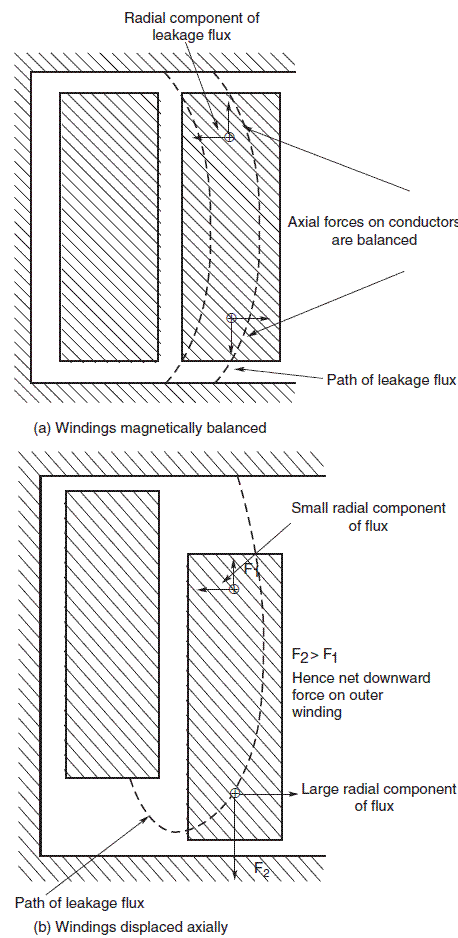 In very large transformers the designer aims to achieve as close a balance as possible between primary and secondary windings in order to limit these axial forces and he will certainly aim to ensure that primary and secondary windings as a whole are balanced, but complete balance of all elements of the winding cannot be achieved entirely for a number of reasons. One is the problem of tappings. Putting these in a separate layer so that there are no gaps in the main body of the HV when taps are not in circuit helps to some extent. However, there will be some unbalance unless each tap occupies the full winding length in the separate layer. One way of doing this would be to use a multistart helical tapping winding but, as mentioned above, simple helical windings placed outside the HV winding would be very difficult to brace against the outward bursting force. In addition spreading the tapping turns throughout the full length of the layer would create problems if the HV line lead were taken from the centre of the winding. Another factor which makes it difficult to obtain complete magnetic balance is the dimensional accuracy and stability of the materials used. Paper insulation and pressboard in a large winding can shrink axially by several centimetres during dry out and assembly of the windings. Although the manufacturer can assess the degree of shrinkage expected fairly accurately, and will attempt to ensure that it is evenly distributed, it is difficult to do this with sufficient precision to ensure complete balance.
- You must be logged in to reply to this topic.